Cancer
Biological robots could 'revolutionize' the fight against cancer
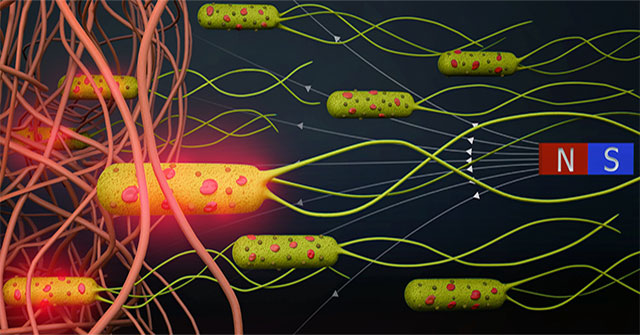
German scientists have created microscopic robots, controlled by magnets, that help surround tumors and release large amounts of chemotherapy drugs to treat cancer.
Browse ScienceInfo articles and explainers related to Micro Robot.
23 published items.
German scientists have created microscopic robots, controlled by magnets, that help surround tumors and release large amounts of chemotherapy drugs to treat cancer.
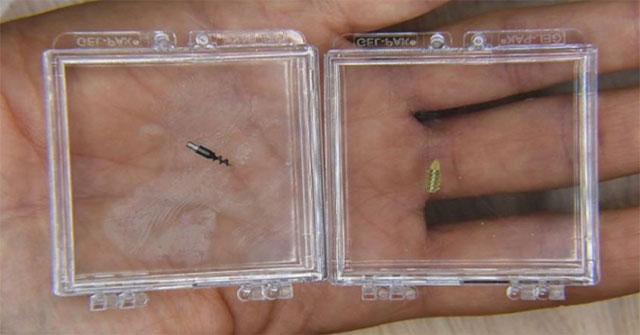
An Australian startup is about to send microscopic robots deep into the human skull to treat brain diseases like Dandy-Walker syndrome and gliomas.
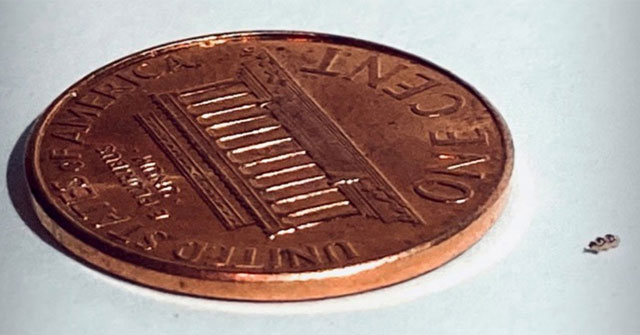
A team of researchers has found a very promising way, seemingly only needing tiny robots with special functions to bring life to cancer patients.
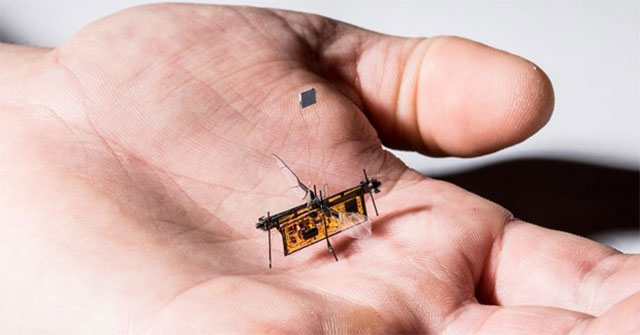
Special mini robots, made by Chinese and German scientists, inspired by geckos and caterpillars, can be controlled remotely using ultraviolet and infrared rays.
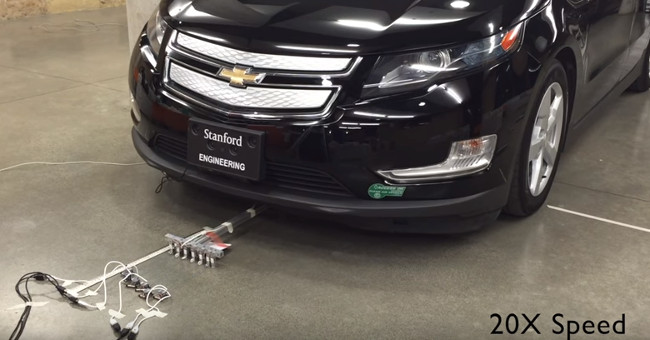
uTug are tiny robots developed by scientists from Stanford University (USA) with tremendous power when they work together.
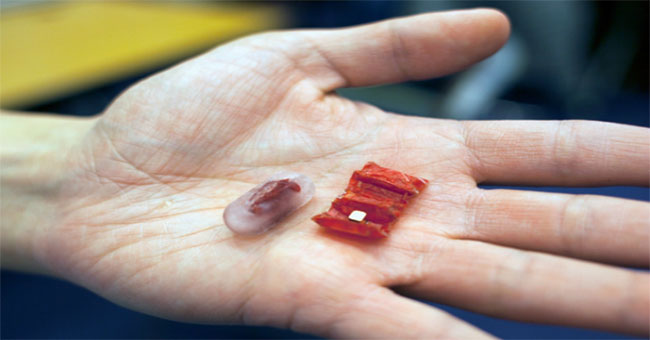
According to MIT News, the boy Emmett Rauch, one year old, vomited blood because he swallowed a round battery of the watch. The doctor must have emergency surgery to rem…
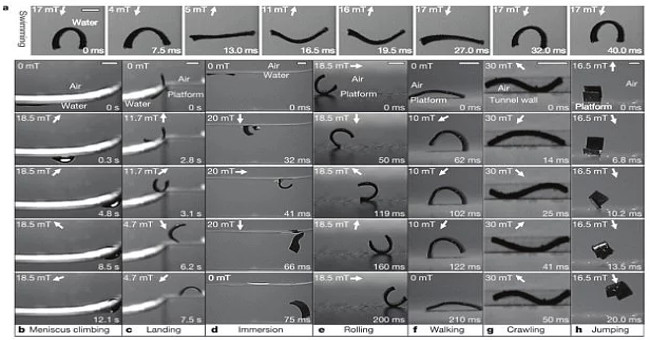
Researchers in Germany have recently developed a robot that is only 0.7 inches (1.7cm) with looks that looks like a small worm.
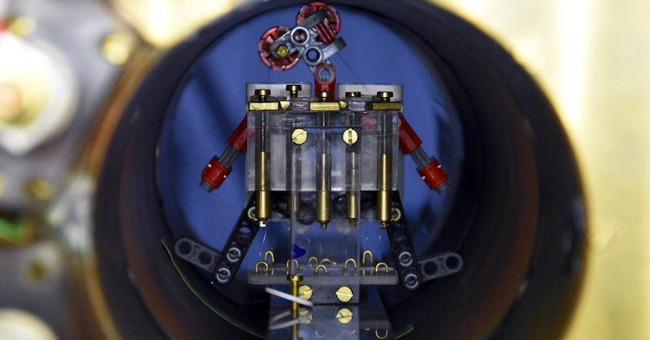
Scientists have worked for years to find ways to integrate robots into medical products.

Less than 100 times smaller than sand grains, the head and tail are made of gold, the body is made of nickel, connected by silver, can carry drugs into the blood vessels,
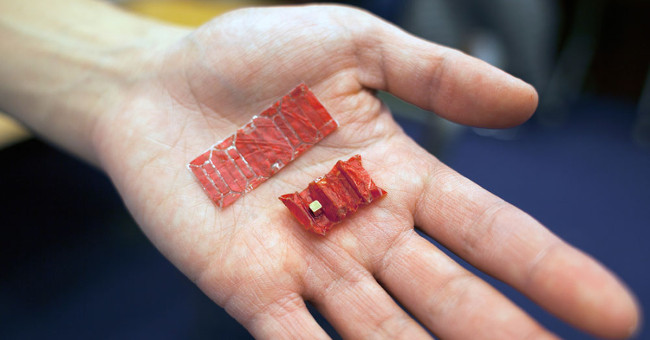
Researchers have built a micro-robot capable of getting into the stomach to remove foreign objects, such as daisies, that children accidentally swallow.
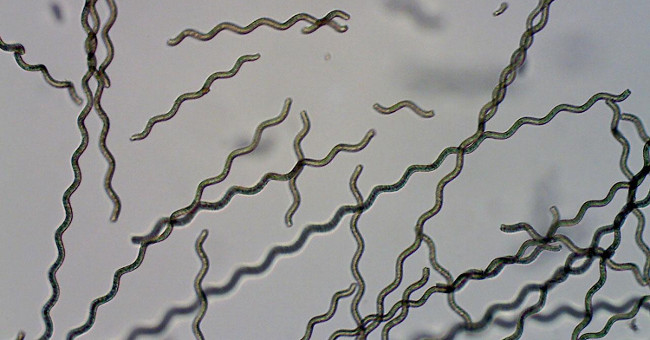
Micro robots made from ... spirulina can be remotely controlled to search for cancer cells and transport drugs to destroy them. Done the task, they will decompose themse…
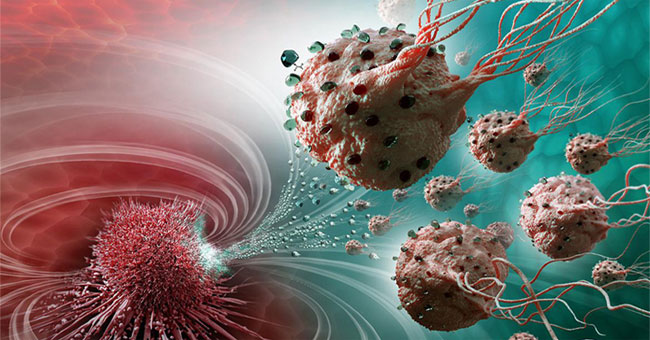
A Canadian team developed a micro-biological robot capable of transporting specific drugs to the right cancer cells that are active.
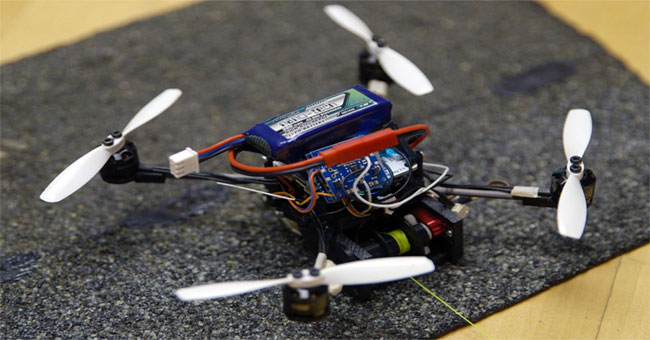
In the document Stanford University published in Science Robotics shows that the new micro-robots can move in the air with loads greater than 40 times their weight.
Scientists from the Massachusetts Institute of Technology (MIT) have successfully built a robot that can power itself without a battery just as small as a human egg cell.
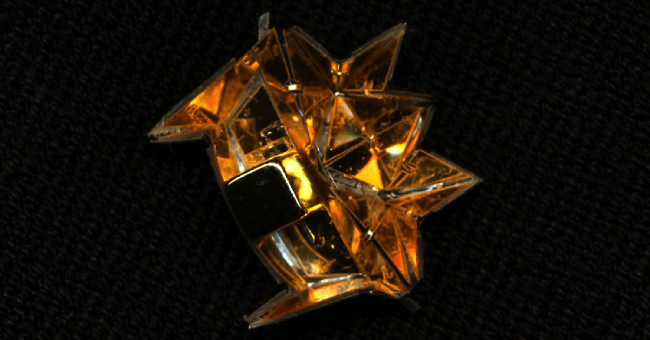
Once its mission has been completed, the robots will be completely dissipated easily in the body.